As a dog parent, you want the best for your furry companion. You make sure they eat well, exercise regularly, and visit the veterinarian. But have you thought about what’s written in their DNA? Understanding your dog’s genetic makeup is one of the most powerful tools available for keeping them healthy for years to come.
Why Genetics Matter
Every dog inherits genes from both parents. These genes don’t just determine coat color or ear shape — they can also reveal the risk for serious health conditions. Some diseases are caused by a single gene, while others involve many genes working together along with environmental factors. Either way, knowing what’s in your dog’s genetic profile gives you a head start in protecting their health.
5 Breeds and Their Common Genetic Concerns
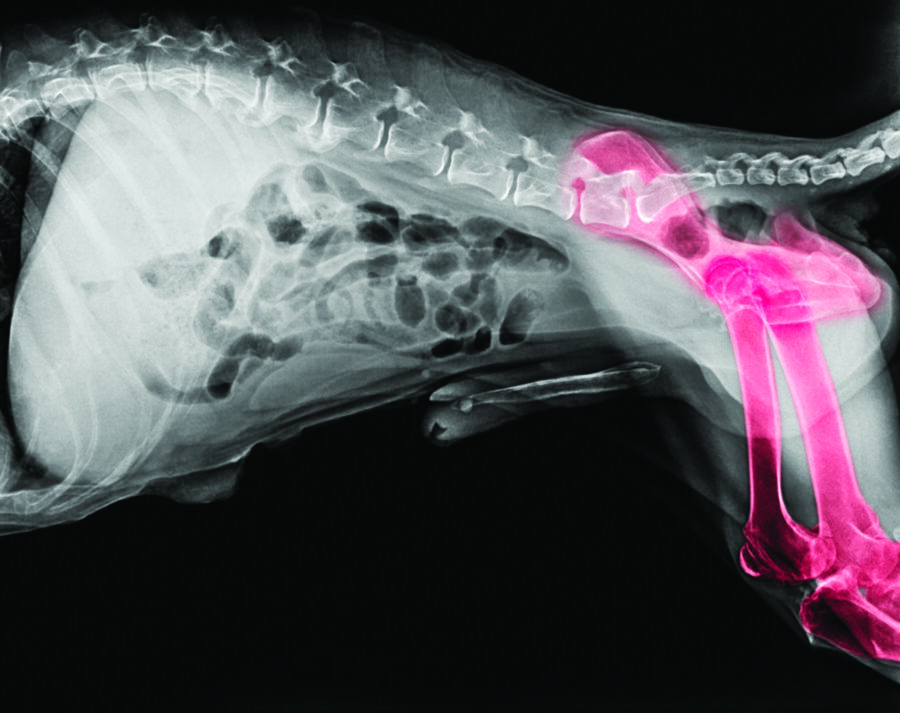
1. Labrador Retriever Labs are lovable and energetic, but they have a known risk for cranial cruciate ligament (CCL) rupture — similar to a torn knee ligament in people. They are also prone to hip dysplasia, a condition where the hip joint doesn’t form correctly, leading to pain and arthritis over time. Keeping your Lab at a healthy weight and avoiding high-impact activities can help reduce these risks.
2. German Shepherd German Shepherds are incredibly loyal and intelligent. However, they are prone to hip dysplasia and degenerative myelopathy — a progressive condition that causes muscle weakness in the spinal cord. Early genetic screening can help catch warning signs before symptoms appear.
3. Golden Retriever Golden Retrievers are one of the most beloved breeds in America. They have a higher-than-average risk for certain cancers, as well as heart conditions. Genetic testing can identify some of these risk factors, allowing veterinarians to monitor your dog more closely throughout their life.
4. Border Collie These highly energetic herding dogs are known for their intelligence. Border Collies are among the breeds recommended for MDR1 gene testing. Dogs with this gene mutation process certain medications differently, which can cause serious reactions to common drugs used in chemotherapy, deworming, and diarrhea treatment. Knowing about this gene ahead of time could be life-saving.
5. Bulldog Bulldogs are charming and affectionate, but their unique build puts them at higher risk for hip dysplasia and breathing-related issues. Responsible genetic screening and careful lifestyle management — including maintaining a healthy weight — can help these dogs live more comfortable lives.
What You Can Do Right Now
The good news is that you don’t have to wait for a health problem to appear before taking action. Here are some simple steps:
- Talk to your veterinarian about breed-specific genetic tests that may be right for your dog
- Consider a full genetic panel — it often costs less than running multiple individual tests
- Maintain a healthy weight for your dog, as obesity can worsen many genetic conditions
- Schedule regular wellness exams so your veterinarian can monitor for early signs of inherited conditions
Genetic awareness isn’t about predicting doom — it’s about being prepared. A positive genetic marker doesn’t guarantee your dog will develop a disease. It simply means you and your veterinarian can create a smarter, more personalized care plan.
Knowledge is one of the greatest gifts you can give your dog. Talk to your veterinarian today about genetic testing options that are right for your companion.
AUTHOR PROFILE

Animal Wellness is North America's top natural health and lifestyle magazine for dogs and cats, with a readership of over one million every year. AW features articles by some of the most renowned experts in the pet industry, with topics ranging from diet and health related issues, to articles on training, fitness and emotional well being.