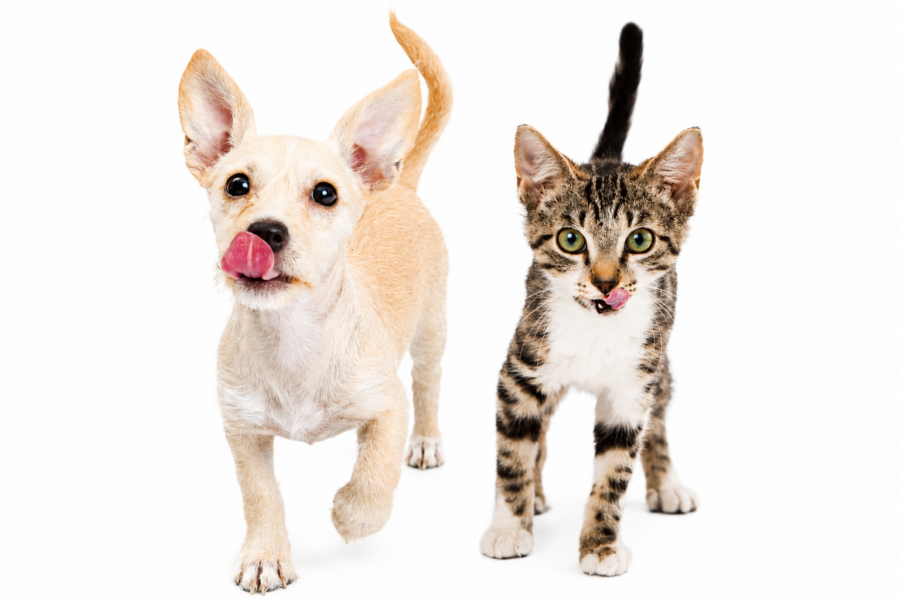
An occasional bout of digestive upset can happen to any dog or cat. A change in food, stress, eating something unusual, or an underlying health issue can all affect the digestive tract. When your pet has a sensitive stomach, it’s natural to look for gentle ways to support digestion.
Certain herbs have a long history of traditional use for digestive complaints. Fennel, ginger, marshmallow root, mint, and slippery elm are among the botanicals commonly discussed for dogs and cats. They contain plant compounds that may have digestive or soothing properties, although scientific evidence in companion animals is still limited.
Herbs aren’t automatically safe just because they’re natural. Their effects can vary depending on the preparation, concentration, and individual animal. Here’s what to know about these five options and how to approach herbal digestive support safely.
TL;DR: Fennel, ginger, marshmallow root, mint, and slippery elm are traditionally used to support digestive comfort in dogs and cats. However, research in pets is limited, and herbs may interact with medications or be unsuitable for certain health conditions. Ask your veterinarian before introducing an herbal product, especially if digestive symptoms are persistent or severe.
When Should You Consider Herbal Support for Your Pet’s Digestion?
Digestive symptoms can include vomiting, diarrhea, constipation, gas, reduced appetite, and changes in stool consistency. An occasional mild episode may resolve on its own, but recurring symptoms deserve attention.
Before trying an herbal remedy, it’s important to understand what’s causing the problem. Digestive upset can be associated with dietary changes, food intolerance, parasites, infections, pancreatitis, inflammatory bowel disease, and other medical conditions.
Contact your veterinarian if symptoms persist, recur, or are accompanied by weight loss, poor appetite, or changes in energy. Repeated vomiting, bloody or black stools, severe abdominal pain, weakness, or signs of dehydration warrant prompt veterinary attention. Puppies, kittens, senior pets, and animals with existing health conditions may need care sooner.
For a broader look at digestive wellness, read our guide to supporting your dog or cat’s gut health.
5 Herbs Traditionally Used for Dog and Cat Digestive Health
These herbs have been used in traditional herbal practices or are discussed in veterinary botanical literature. Their potential benefits should not be confused with proven treatments for digestive disease.
1. Fennel Seed (Foeniculum vulgare)
Fennel seed is traditionally used as a carminative, meaning it’s believed to help ease gas and digestive discomfort. It contains aromatic compounds, including anethole, that contribute to its distinctive scent and flavor.
In herbal practice, fennel is sometimes used to support digestive comfort when gas or mild intestinal cramping is a concern. However, well-controlled studies confirming its effectiveness and appropriate dosing in dogs and cats are limited.
Fennel products also vary in concentration. Concentrated extracts and essential oils are not interchangeable with the culinary seed, so don’t assume that a small amount of one preparation is equivalent to another.
2. Ginger (Zingiber officinale)
Ginger is widely recognized for its traditional use in supporting digestion and easing nausea. Its active compounds, including gingerols and shogaols, have been studied for their effects on digestive processes.
Some research suggests ginger may influence gastrointestinal movement and nausea pathways, but evidence for treating digestive conditions in dogs and cats remains limited.
Ginger may not be appropriate for every animal, particularly those taking medications or living with certain medical conditions. Ask your veterinarian whether a pet-formulated product is suitable before using it.
3. Marshmallow Root (Althaea officinalis)
Marshmallow root contains mucilage, a naturally occurring substance that becomes slippery when mixed with water. This property explains its traditional use in soothing irritated tissues.
Herbal practitioners sometimes use marshmallow root to support digestive comfort. However, there is limited clinical evidence showing that it treats intestinal inflammation, diarrhea, constipation, or other digestive disorders in companion animals.
Because mucilage may affect how some substances are absorbed, discuss its use with your veterinarian if your pet takes medication. The product’s preparation and ingredients also matter.
4. Mint (Mentha species)
Some mint plants, including peppermint and spearmint, contain aromatic compounds traditionally used to support digestive comfort. Peppermint is often described as a carminative because of its traditional use for gas and intestinal discomfort.
That doesn’t mean every mint product is safe for pets. Concentrated peppermint oil and other essential oils can pose risks, particularly when ingested or applied improperly. Cats may be especially sensitive to concentrated essential oils.
Avoid giving your pet essential oils or human mint supplements unless a veterinarian specifically recommends a product and explains how to use it. Catnip is another member of the mint family, but its familiar behavioral effects in cats don’t establish it as a treatment for digestive problems.
5. Slippery Elm (Ulmus rubra)
Slippery elm bark contains mucilage, which forms a gel-like substance when combined with water. It has traditionally been used to soothe irritated mucous membranes and support digestive comfort.
Some pet parents and integrative veterinary practitioners use slippery elm as a complementary option for animals with occasional digestive upset. However, there is not enough strong clinical evidence to establish it as a treatment for diarrhea, constipation, colitis, or inflammatory bowel disease.
Slippery elm products can also vary in quality and formulation. Since its mucilage may interfere with the absorption of some medications, ask your veterinarian about appropriate timing if your pet takes prescription drugs.
What About Digestive Enzymes, Probiotics, and Prebiotics?
Herbs aren’t the only products discussed when it comes to digestive health. Digestive enzymes, probiotics, and prebiotics have different roles, and they shouldn’t be treated as interchangeable.
Digestive enzymes help break down nutrients in food. The body naturally produces enzymes such as protease, amylase, and lipase. Supplementation may be appropriate for certain medical conditions, such as exocrine pancreatic insufficiency, but most healthy pets don’t automatically need a daily enzyme supplement.
Probiotics are live microorganisms that may provide a health benefit when given in adequate amounts. Their effects are strain-specific, and certain products may help support dogs and cats with particular gastrointestinal problems. Research is promising, but results vary by condition and formulation.
Prebiotics are substances, often specific types of dietary fiber, that beneficial gut microbes can use. Ingredients such as inulin and certain other fermentable fibers may help support the gut microbiome.
For a closer look at these options, read our articles on probiotics and prebiotics for cats and digestive supplements for dogs.
Research into prebiotics, probiotics, and other microbiome-supporting products continues to develop. A 2024 review of biotics in dogs and cats found emerging evidence for their use in managing certain gastrointestinal disorders, while noting that the benefits depend on the product and clinical situation.
How Can You Use Herbs Safely for Dogs and Cats?
If you’re considering an herbal product, take a few precautions before adding it to your pet’s routine:
- Talk with your veterinarian first. Digestive symptoms can have many causes, and an herbal product may not address the underlying problem.
- Choose products formulated for pets. Human supplements may contain unsuitable ingredients, flavorings, sweeteners, or concentrations.
- Check the full ingredient list. Look for clearly identified botanical ingredients, product concentrations, and quality-control information.
- Consider medications and health conditions. Herbs can affect medication absorption or interact with prescription drugs.
- Avoid essential oil substitutions. An herb, a dried plant, an extract, and an essential oil can have very different concentrations and safety profiles.
- Don’t combine several new products at once. Introducing multiple supplements makes it harder to identify the cause if your pet develops an adverse reaction.
Keep in mind that veterinary herbal medicine has limitations. The quality of research varies, and many products lack consistent manufacturing standards or strong clinical evidence. Your veterinarian can help weigh potential benefits against risks.
Supporting Your Dog or Cat’s Digestive Health
Herbs may have a place in an individualized digestive-support plan, but they shouldn’t replace a balanced diet, appropriate veterinary care, or treatment for an underlying condition.
Pay attention to your pet’s appetite, stool quality, water intake, and general behavior. Feed a consistent, nutritionally complete diet, introduce food changes gradually, and seek veterinary advice when digestive problems persist or return.
A thoughtful approach is more helpful than trying several remedies at once. With the right guidance, you can make informed choices about your dog’s or cat’s digestive health.
Frequently Asked Questions
Are herbs safe for dogs and cats?
Not all herbs are safe for every pet. Safety depends on the plant, preparation, concentration, amount, and the animal’s health and medications. Always consult your veterinarian before introducing an herbal supplement.
Can ginger help a dog or cat with an upset stomach?
Ginger has traditionally been used to support digestion and ease nausea. However, evidence for its effectiveness in dogs and cats is limited. Ask your veterinarian whether it is appropriate for your pet’s symptoms.
Is slippery elm safe for cats and dogs?
Slippery elm is used in some complementary digestive-support products, but its safety and effectiveness depend on the formulation and individual animal. Its mucilage may also affect medication absorption, so veterinary guidance is important.
Can I give my pet peppermint oil for gas?
Don’t give your dog or cat peppermint essential oil unless a veterinarian specifically directs you to use a suitable product. Concentrated essential oils can be harmful, and cats may be particularly sensitive.
When should I take my pet to the vet for digestive problems?
Seek veterinary advice for recurring or persistent vomiting, diarrhea, constipation, appetite changes, or unexplained weight loss. Bloody or black stools, repeated vomiting, severe pain, weakness, collapse, or dehydration need prompt attention.
AUTHOR PROFILE

Greg Tilford is CEO and formulator of Animal Essentials Inc., and an industry consultant and custom formulator for veterinarians worldwide. He is the author of five books, including Herbs for Pets, the Natural Way to Enhance your Pet’s Life. He has taught at veterinary institutions and conferences, including the annual AHVMA conference. Greg serves as honorary advisor to the Japan Animal Wellness Association for international pet care professionals. He is a charter member of the Scientific Advisory Committee of the NASC. He founded the Animal Products Committee of the American Herbal Products Association and has served on Health Canada’s Expert Advisory Committee for Veterinary Natural Health Products.