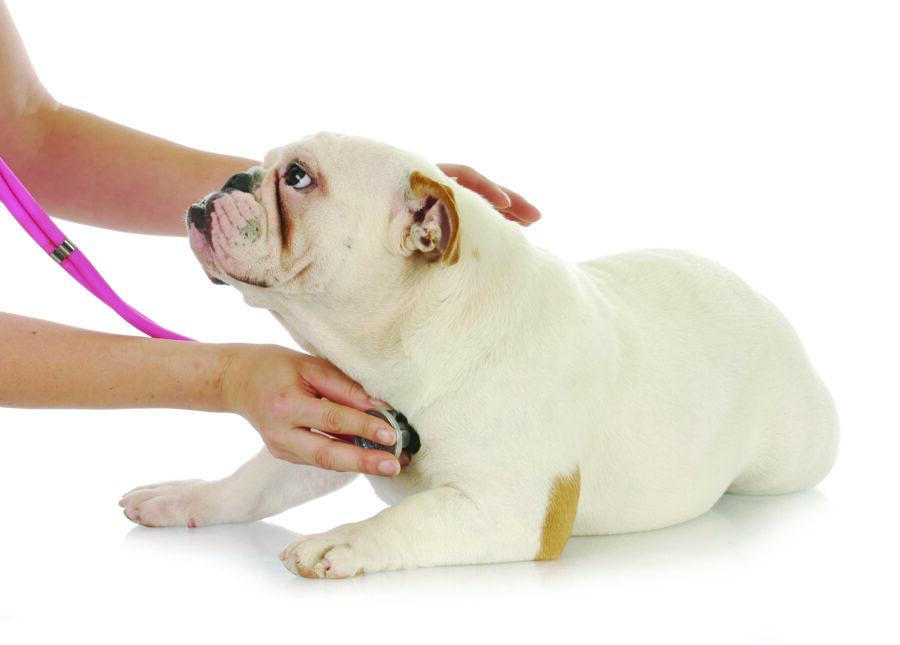
When your veterinarian recommends blood work or a urine test for your dog or cat, it’s natural to wonder what they’re looking for. And when you receive a copy of the results, all those abbreviations, numbers and flags can feel overwhelming.
Veterinary tests help uncover health problems that may not be obvious during a physical examination. They can also provide a baseline for monitoring your animal’s health over time, checking how a treatment is working and identifying changes that need further investigation.
The important thing to remember is that a lab result is only one piece of the picture. Your veterinarian considers the numbers alongside your animal’s symptoms, medical history, medications, examination findings and previous test results.
Here’s a guide to some common veterinary tests and what they can tell you.
TL;DR: Blood tests and urinalysis help veterinarians assess organ function, blood cells, hydration, metabolism and possible disease. An abnormal result doesn’t automatically mean your dog or cat is sick, and a normal result doesn’t rule out every health problem. Your veterinarian interprets the results in context and decides whether follow-up testing is needed.
Why Do Dogs and Cats Need Veterinary Tests?
Veterinary tests can help investigate symptoms such as vomiting, changes in appetite, increased thirst, weight loss, tiredness or changes in urination. They may also be recommended before surgery, when starting certain medications or as part of routine health monitoring.
Depending on your animal’s age, health and risk factors, testing may help:
- Detect signs of disease before obvious symptoms develop
- Check kidney and liver function
- Look for anemia, infection or inflammation
- Investigate diabetes and other metabolic conditions
- Assess hydration and electrolyte balance
- Monitor chronic conditions and treatment response
- Establish baseline values for future comparison
Routine testing can be particularly helpful for senior dogs and cats, since the risk of several chronic conditions increases with age. Your veterinarian can recommend an appropriate schedule based on your animal’s individual needs.
What Does a Veterinary Blood Test Check?
Blood work commonly includes a complete blood count and a blood chemistry profile. These tests examine different aspects of your animal’s health and are often interpreted together.
1. Complete Blood Count (CBC)
A complete blood count measures different types of blood cells. It typically includes red blood cells, white blood cells and platelets.
Red blood cells: These cells carry oxygen throughout the body. A low red blood cell count, hematocrit or hemoglobin level may indicate anemia. Possible causes include blood loss, destruction of red blood cells, chronic disease or problems with blood cell production.
A higher-than-expected result can sometimes occur with dehydration, although other causes are possible.
White blood cells: These cells help the immune system respond to infection and inflammation. An increased or decreased white blood cell count may provide clues about infection, inflammation, immune-related conditions, stress or bone marrow problems.
Different types of white blood cells have different roles, so your veterinarian may look at the individual cell counts rather than just the total.
Platelets: Platelets help blood clot. A low platelet count can increase the risk of bleeding, while a high count may occur with inflammation or other conditions.
A CBC doesn’t identify every cause of an abnormal result, but it helps your veterinarian decide what to investigate next.
2. Blood Chemistry Profile
A chemistry profile measures substances in the blood that provide information about organs, metabolism and fluid balance. The exact panel varies between laboratories and veterinary practices.
Common measurements include:
Blood urea nitrogen (BUN): BUN measures a waste product formed when the body breaks down protein. The kidneys help remove it from the bloodstream.
An elevated BUN may occur with reduced kidney function, dehydration, gastrointestinal bleeding or other conditions. Diet and other factors can also affect the result, so BUN shouldn’t be interpreted on its own.
Creatinine: Creatinine is a waste product produced through normal muscle metabolism and removed primarily by the kidneys. Elevated blood creatinine can suggest reduced kidney filtration, but hydration, muscle mass and other factors matter.
Creatinine is not an enzyme. It is one of several measurements veterinarians use to evaluate kidney function.
SDMA: Symmetric dimethylarginine is another blood marker used to assess kidney filtration. It may help identify reduced kidney function, sometimes before creatinine becomes elevated. It still needs to be interpreted alongside other findings, including urinalysis and the animal’s clinical condition.
ALT (alanine aminotransferase): ALT is an enzyme found largely in liver cells. Increased levels can indicate liver-cell injury, but they don’t reveal the exact cause or prove that the liver isn’t functioning properly.
ALP (alkaline phosphatase): ALP is an enzyme associated with the liver and bile ducts, among other tissues. Increased levels may occur with certain liver or biliary conditions, bone growth and some medications, including corticosteroids. In dogs, it can also be elevated with certain hormonal conditions.
An elevated ALP alone does not diagnose liver disease or Cushing’s disease. Additional tests may be needed.
Glucose: Blood glucose measures the amount of sugar in the bloodstream. Persistently high levels may suggest diabetes mellitus, while low levels can occur with several different conditions.
Stress can temporarily raise blood glucose, particularly in cats during veterinary visits. Your veterinarian may recommend repeat testing or additional tests if the result is unclear.
Electrolytes: Sodium, potassium and chloride help regulate fluid balance, nerve function and muscle activity. Abnormal levels may occur with dehydration, kidney disease, gastrointestinal illness and hormonal disorders.
Albumin and total protein: These measurements provide information about proteins in the blood. Changes may be associated with dehydration, inflammation, liver problems, kidney or intestinal protein loss and other conditions.
No single chemistry value provides a complete diagnosis. Your veterinarian looks at the pattern of results and how they relate to your animal’s symptoms.
3. Fructosamine Testing
Fructosamine is sometimes measured when a veterinarian needs a better picture of blood glucose over time.
Unlike a single glucose measurement, which reflects the level at the time the sample is collected, fructosamine provides an estimate of average blood glucose over the preceding couple of weeks.
It can be useful when stress-related increases in blood glucose make it difficult to determine whether a dog or cat has diabetes. It is also used to help monitor diabetic animals receiving treatment.
Fructosamine has limitations, and other conditions affecting blood proteins can influence the result. Your veterinarian will consider the full clinical picture.
What Can a Urinalysis Tell You?
A urinalysis examines the physical, chemical and microscopic properties of urine. It’s an important companion to blood work, particularly when evaluating kidney and urinary tract health.
A complete urinalysis may include:
- Urine color and appearance: Changes in color or clarity can provide clues about concentration, blood, crystals or other substances.
- Urine specific gravity: This measures how concentrated or dilute the urine is. It helps veterinarians assess how well the kidneys concentrate urine in relation to the animal’s hydration and other findings.
- Urine pH: This measures how acidic or alkaline the urine is. It can help with interpreting certain urinary conditions and crystal formation.
- Protein: Protein in urine may be associated with kidney disease, inflammation, bleeding or other conditions. Further testing may be needed to determine its significance.
- Glucose and ketones: These substances can provide clues about diabetes and other metabolic problems.
- Blood cells and sediment: Microscopic examination can identify red and white blood cells, crystals, casts, bacteria and other material.
Urinalysis is particularly useful when interpreted alongside blood kidney markers. For example, an elevated creatinine level may mean something different depending on whether the urine is appropriately concentrated.
If you’re interested in the details of this test, the Merck Veterinary Manual’s urinalysis overview explains how veterinarians examine and interpret urine samples.
Other Common Veterinary Tests
Blood work and urinalysis aren’t the only diagnostic tools your veterinarian may recommend.
Fecal testing: A stool sample can be examined for intestinal parasites and their eggs, as well as certain other organisms. It may be recommended for animals with diarrhea, weight loss or a possible parasite exposure.
Heartworm testing: In dogs, blood testing can help detect heartworm infection. The recommended testing and prevention plan depends on the animal’s location, exposure risk and veterinary guidance.
Thyroid testing: Thyroid hormone tests help investigate conditions such as hypothyroidism in dogs and hyperthyroidism in cats. Additional testing may be needed when results are borderline or affected by another illness or medication.
Imaging: X-rays and ultrasound allow veterinarians to examine internal structures. X-rays can help assess bones, the chest and certain abdominal conditions, while ultrasound provides detailed images of soft tissues and organs.
Cytology and biopsy: If a lump, skin lesion or abnormal tissue is found, a veterinarian may collect cells or a tissue sample for examination. These tests can help distinguish inflammation, infection and certain types of tumors.
The choice of test depends on what your veterinarian is trying to investigate. Not every animal needs every test.
What Does It Mean If a Test Result Is Outside the Normal Range?
Seeing a result marked high or low can be worrying, but an out-of-range value doesn’t automatically mean your animal has a disease.
Laboratories establish reference intervals using results from a population of animals considered healthy. These ranges vary depending on the laboratory, testing method, species and other factors.
A healthy animal can occasionally have a result just outside the reference interval. On the other hand, an animal with a health problem may still have results within the expected range.
Your veterinarian considers several things:
- How far outside the range the result falls: A slight change may have a different significance from a substantial one.
- Other test results: Several related abnormalities may provide a clearer picture than one isolated value.
- Previous results: Changes over time can be more informative than a single measurement.
- Symptoms and examination findings: The animal’s overall condition helps determine whether a result is concerning.
- Medications, diet and hydration: These can influence certain measurements.
For example, a mildly elevated BUN may have several explanations. Your veterinarian may compare it with creatinine, SDMA, urine concentration and hydration status before deciding whether kidney disease is a concern.
Sometimes the next step is a repeat test. In other cases, additional diagnostics or treatment may be appropriate. The timing depends on the result and your animal’s condition, so don’t delay follow-up simply because an abnormality appears mild.
How to Prepare Your Dog or Cat for Veterinary Testing
Preparation depends on the test being performed. Some blood tests may require fasting, while others do not. Never withhold food or water unless your veterinary team specifically instructs you to do so.
Before the appointment:
- Ask whether fasting is needed. Follow the clinic’s instructions about food and water.
- Share a medication list. Include prescriptions, supplements and any recent treatments.
- Mention recent symptoms. Changes in appetite, thirst, urination, energy or bowel movements may help with interpretation.
- Bring previous results if available. Comparing current and past values can reveal important trends.
- Follow sample-collection instructions. If your veterinarian asks you to bring a urine or stool sample, ask how to collect, store and transport it.
After testing, ask when results will be available and how the clinic will contact you. If your animal’s condition worsens while you’re waiting, contact the veterinary practice rather than waiting for the report.
Questions to Ask Your Veterinarian About Lab Results
You don’t need to understand every abbreviation on a laboratory report to take an active role in your animal’s care. A few questions can help you understand what the results mean and what happens next.
Consider asking:
- Which results are most important?
- Are any values significantly outside the expected range?
- How do these results compare with previous tests?
- Could medication, diet, stress or dehydration have affected the findings?
- Do we need additional testing or a repeat sample?
- What symptoms should I watch for at home?
- When should we schedule the next checkup?
You can also ask for a copy of the laboratory report and a plain-language explanation of any findings that concern you.
Frequently Asked Questions
How often should dogs and cats have blood tests?
There isn’t one schedule for every animal. Healthy young pets may need testing less often than senior animals or those with chronic conditions. Your veterinarian can recommend a schedule based on age, medical history, medications and individual risk factors.
Does an abnormal blood test always mean my pet is sick?
No. Some healthy animals have occasional results outside a laboratory’s reference interval. Your veterinarian considers the size of the change, other test results, previous values and clinical signs before deciding whether it matters.
Can stress affect veterinary blood test results?
Yes. Stress can influence certain measurements, particularly blood glucose in cats. It may also affect other aspects of a blood sample. Your veterinarian will consider the circumstances when interpreting the results.
Why does my pet need a urine test if blood work has already been done?
Blood and urine tests provide different information. Urinalysis helps assess urine concentration, kidney function, urinary tract health and substances such as protein or glucose. Together, these tests can provide a more complete picture.
Should I be worried if my pet’s BUN or creatinine is high?
An elevated BUN or creatinine deserves veterinary interpretation, but neither value alone confirms kidney disease. Your veterinarian may consider hydration, urine concentration, SDMA and other findings before recommending further testing or treatment.
Can normal test results rule out disease?
Not always. Some conditions require specific tests, imaging or repeated monitoring, and early disease may not cause obvious changes in routine blood work. If your animal has ongoing symptoms, discuss further investigation with your veterinarian even if initial results are normal.
AUTHOR PROFILE

Veterinarian Dr. Shawn Messonnier wrote The Natural Health Bible for Dogs and Cats, The Natural Vet’s Guide to Preventing and Treating Cancer in Dogs, and 8 Weeks to a Healthy Dog. He’s the pet care expert for Martha Stewart Living’s “Dr. Shawn – The Natural Vet” on Sirius Satellite Radio, and creator of Dr. Shawn’s Pet Organics. His practice, Paws & Claws Animal Hospital (petcarenaturally.com), is in Plano, Texas.