
KSM-66 Ashwagandha

Why KSM-66 ASHWAGANDHA may be the solution to BETTER HEALTH for dog, cats and horses

If you’ve visited the supplement section of a health food store or pharmacy recently, you’ve most likely come across Ashwagandha. This adaptogenic herb, which Ayurvedic doctors in India have used for more than 4,000 years, is seeing huge growth in North America. This is due in part to the numerous scientific studies that back up Ashwaganda’s efficacy and safety. Fortunately, this herb is also animal-friendly, so dogs, cats and horses can enjoy the health benefits too!

WHAT EXACTLY IS ASHWAGANDHA?

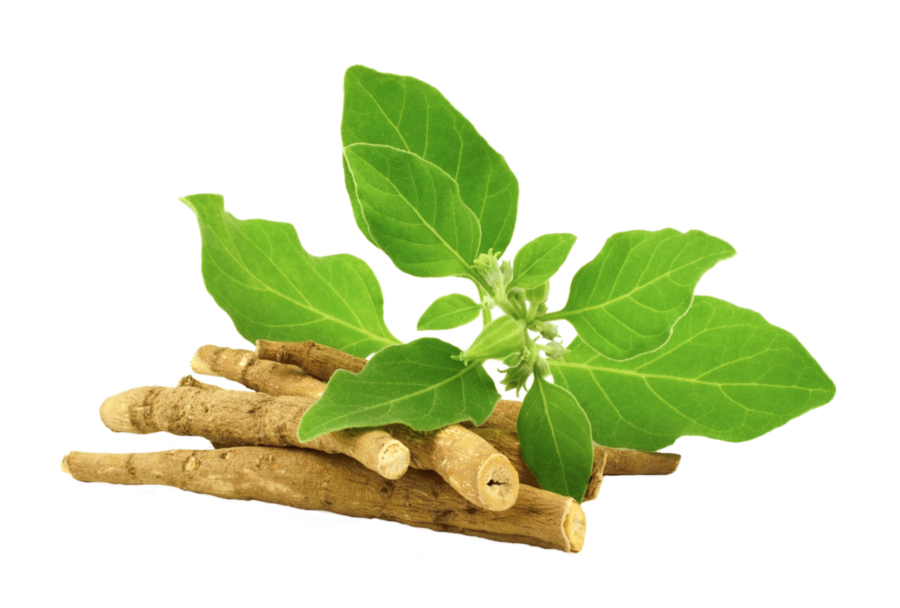
Ashwagandha is a potent adaptogenic herb, derived from the roots of the Withania somnifera plant. It is celebrated for its stress-busting prowess and holistic health benefits.

In particular, Ashwagandha is renowned for its ability to adapt its therapeutic actions to the body’s unique needs, a property that has resulted in its association with a wide range of health benefits, including anxiety management, immune system support, anti-inflammatory effects, and potential contributions to joint health.

These benefits make Ashwagandha a natural health-boosting powerhouse — and a versatile supplement for overall animal (and animal parent!) well-being.

ALL ASHWAGANDHA IS NOT CREATED EQUAL…WHAT MAKES KSM-66 DIFFERENT?

It takes careful growing and harvesting techniques, and scientifically-advanced production facilities to produce the world’s best Ashwagandha. High quality animal supplement manufacturers from around the globe choose KSM-66 Ashwagandha because it is clinically proven to:

  • Reduce stress and disease states
  • Increase calmness
  • Improve cognition
  • Enhance immune function
  • Boost joint health.


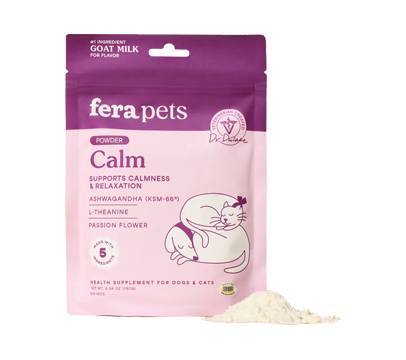
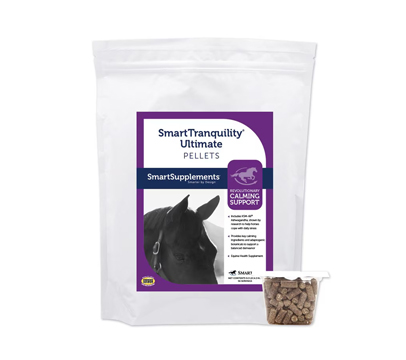
This adaptogenic herb, which boasts potent antioxidant properties, also blends well with various types of animal supplements, including capsules, soft chews, powders, tinctures, treats, tablets, and pellets, making it easy to both dose and digest.

12 REASONS WHY DOGS, CATS AND HORSES MAY BENEFIT FROM KSM-66 ASHWAGANDHA

Known for its potential to help promote a sense of calm and balance, Ashwagandha offers support by influencing neurotransmitters and decreasing cortisol, thereby helping alleviate anxious behaviors.

Ashwagandha’s anti-inflammatory effects could benefit dogs and cats with inflammatory conditions such as arthritis and joint issues.

Ashwagandha may have immunomodulatory effects, with the potential to bolster the immune system.

Some studies suggest Ashwagandha may have neuroprotective effects, which helps support cognitive function in aging animals.

Ashwagandha is believed to boost vitality and energy levels, making it beneficial for lethargic or aging animals, as well as working and agility dogs.

This antioxidant-packed herb may have a positive impact on thyroid function, which is crucial for metabolic health in animals.

Ashwagandha’s potential to regulate blood sugar levels could be beneficial for dogs and cats with diabetes, or those at risk.

Ashwagandha is thought to promote heart health through its cardio-protective effects.

Some studies suggest Ashwagandha may have anti-cancer properties, although more research is required to establish its efficacy in animals.

The antioxidant content of Ashwagandha may contribute to anti-aging effects by reducing cellular damage.

Ashwagandha may have mild digestive benefits, potentially aiding in the treatment of certain gastrointestinal issues in dogs and cats.

With its antioxidant content, ashwagandha contributes to overall well-being by combating oxidative stress and supporting your animal’s health at a cellular level.

KSM-66 ASHWAGANDHA STUDIES

KSM-66 Ashwagandha for Stress and Anxiety in Canines

Study Details: Efficacy and safety of standardized Ashwagandha (Withania somnifera) root extract on reducing stress and anxiety in domestic dogs: A randomized controlled trial

Kaur J, Seshadri, S, Golla, K & Sampara, P (2022). Journal of Veterinary Behavior, 51, 8-15.

Overview: In this 4-week, randomized, double-blind, placebo-controlled study, the administration of an Ashwagandha root extract (KSM-66 Ashwagandha®) at a dose of 15mg/kg body weight was associated with significant changes in the UCCr in dogs experiencing stress responses and anxiety when compared to the placebo. I

Results:

  • Ashwagandha supplementation was well tolerated with no reported adverse events.
  • In comparison with the placebo, Ashwagandha intake was associated with a statistically significant reduction in urine cortisol to creatine ratio (P = 0.0005).
  • Results from CBARQ revealed that Ashwagandha intake was associated with a statistically significant reduction in the fear and anxiety domain (P = 0.03), compared to placebo.
  • There was also a statistically significant reduction in the CBPI pain severity (P < 0.0001) and pain interference (P < 0.0001) domains, compared to the placebo group.
  • The findings of this exploratory study suggest that Ashwagandha root extract may aid in attenuating signs of stress and anxiety in dogs.
KSM-66 Ashwagandha for Stress and Anxiety in Felines

Study Details: Adaptogenic Ashwagandha root extract modulates inflammatory markers in feline stress management: a double-blind placebo-controlled clinical trial

Ashok Kumar Devarasetti, Kala Kumar Bharani, Amit Khurana, Sunil Anand, Rajesh Kollipaka, Venkata Dharma Teja Saranu, Donga Durga Veera Hanuman, Vamsi Krishna Addanki, Vinaya Sree Chetla & Anil Kumar Banothu (2024). Journal of Applied Animal Research

Overview: This study aimed to evaluate the safety and efficacy of oral administration of Ashwagandha root extract (ARE) in cats subjected to different types of stress. A randomized, double-blind, placebo-controlled veterinary clinical trial was conducted with sixteen healthy pet cats. Each cat was randomly assigned to receive ARE (15 mg/kg body weight) or a placebo and were subjected to four types of stress over a period of one month.

Results:

  • No detrimental changes were observed in ALP, ALT, AST, glucose, creatinine, and BUN levels on day 30 with ARE with all values within the physiological range.
  • Additionally, in the ARE- treated group, the protein (p < 0.05) and albumin (p < 0.01) levels were increased significantly, indicating overall improved liver function. Post 30 days ARE treatment, significant modulation of malondialdehyde (MDA) (p < 0.001), superoxide dismutase (SOD) (p < 0.001), glutathione (GSH) (p < 0.01) and catalase (p < 0.001) levels were observed with ARE compared to placebo control group.
  • After 30 days ARE treatment, serum cortisol levels significantly decreased (p < 0.001), indicating strong anti-stress effects.
  • There was a significant decrease in cytokine levels (TNF-α, IFN-γ & IL-10), NFκB and Nrf-2 levels in ARE treated group indicating potent anti-inflammatory effects.
  • Overall, these promising results demonstrate that ARE possesses adaptogenic, stress-reducing, and anti-inflammatory properties and is safe in felines.
KSM-66 Ashwagandha for Stress in Horses

Adaptogenic and Immunomodulatory Activity of Ashwagandha Root Extract: An Experimental Study in an Equine Model. Priyanka G, Anil Kumar B, Lakshman M, Manvitha V and Kala Kumar B. (2020). Front. Vet. Sci. 7:541112.

Results: Over the 21 days, a statistically significant (p < 0.05 increase was observed, in total erythrocyte count, total leucocyte count, hemoglobin content, lymphocyte percentage, reduced glutathione, and superoxide dismutase activities among the Ashwagandha treated groups (G2, G3, and G4) when compared to the control group (G1). The study also demonstrated a statistically significant decrease (p 0.05) in cortisol, epinephrine, glucose, triglycerides, creatinine, IL-6, alanine aminotransferase, and aspartate aminotransferase levels over the 21 days, in the Ashwagandha treated groups (G2, G3, and G4) when compared to the control group (G1). All the horses remained healthy throughout the study. There was no deviation from the normal values. At the end of the study, there was a non-significant increase, in the mean body weight of the horses in the treatment groups when compared to the control group.

Conclusion: The results suggest that Ashwagandha root extract has potent hemopoietic, anti-stress, antioxidant, adaptogenic, and immune-stimulant properties. The supplement was found safe for the horses. No adverse event was witnessed during the study period for any animal consuming the experimental herbal product.

Antioxidant and anti-inflammatory effects of Ashwagandha root extract in Geriatric Dogs

Effects of ashwagandha (Withania somnifera) root extract on aging-related changes in healthy geriatric dogs: A randomized, double-blinded placebo-controlled study. Kala Kumar BharaniAshok Kumar Devarasetti, Latha CareyAmit Khurana Rajesh KollipakaDonga Durga Veera HanumanVinaya Sree ChetlaAnil Kumar Banothu

Results: The erythrocyte count and haemoglobin levels were significantly increased with ARE (p < 0.001), whereas leukocyte count decreased (p < 0.05). Moreover, significant decreases in important markers of liver function (alanine aminotransferase, aspartate aminotransferase, albumin and globulin; p < 0.001 at day 60), as well as kidney function markers (creatinine and blood urea nitrogen; p < 0.001 at days 30 and 60), were observed in ARE-treated dogs compared to the placebo control group. In addition, the levels of markers of oxidative stress (superoxide dismutase, catalase, glutathione and malondialdehyde) were significantly modulated by ARE intervention, indicating strong antioxidant effects. Interestingly, serum cortisol levels reduced significantly with ARE (p < 0.001). Compared to baseline, ARE significantly decreased key inflammatory markers, including interferon-γ, tumour necrosis factor-α, nuclear factor kappa light chain enhancer of activated B cells and interleukin-10 (p < 0.001) levels at day 60.

Conclusion: In conclusion, the findings of this study suggest that ARE has adaptogenic properties in healthy geriatric dogs by improving haematological and biochemical profiles, enhancing antioxidant defence, reducing stress and modulating inflammatory responses.

The role of Ashwagandha in modulating gut parameters in dogs—a randomized double-blind placebo-controlled trial

Results: The erythrocyte counts and haemoglobin levels were significantly increased with ARE (p < 0.01 and p < 0.001). Moreover, a significant decrease in important serum liver biomarkers (alanine transaminase [ALT], aspartate transaminase [AST]; p < 0.01 and p < 0.001 at day 60) was observed in the ARE-treated dogs compared to that in the placebo control group. In addition, the levels of L-citrulline were significantly modulated by ARE intervention, whereas the intervention did not affect intestinal-type alkaline phosphatase (I-ALP), lactate, and carbamoyl-phosphate synthase (CPS). Interestingly, the faecal score reduced significantly with ARE (p < 0.001), while the faecal pH remained unaltered. Compared to the baseline, ARE significantly decreased two microbial metabolites, propionic acid, and total short chain fatty acids (SCFAs) levels after 60 days of intervention, whereas butyrate and acetic acid levels remained unchanged in the faecal samples.

Conclusion: In summary, these findings suggest that ARE has gut health promoting benefits in healthy geriatric dogs by improving haematological and biochemical profiles; the levels of L-citrulline; propionic acid; and SCFA; thus, reducing age-related changes by modulating the microbiome and the associated metabolites.

Other KSM-66 Ashwagandha Pure Root Extract Studies

Under Peer Review:

  • Ashwagandha for shiny coat and fur in Cats
  • Ashwagandha for shiny coat and fur in Dogs
  • Efficacy and Safety of Ashwagandha root extract on cognition and sleep in dogs

KSM-66 ASHWAGANDHA WEBINARS

KSM-66 Ashwagandha – The Next Block-Buster Ingredient for Pet Wellness
Integrating KSM-66 Ashwagandha into Pet Health: An Evidence-Based Review

PRODUCTS WITH KSM-66 ASHWAGANDHA

KSM-66 ASHWAGANDHA ARTICLES

KSM-66 ASHWAGANDHA VIDEOS

KSM-66 ASHWAGANDHA INFOGRAPHICS