A complete guide to cat coat types, with practical grooming tips to keep your kitty’s skin healthy and his fur clean and unmatted.
Your cat’s coat is more than just cosmetic. It plays an important role in his well-being. It helps with temperature regulation, skin protection, and overall health. From so-called hairless cats to long-haired breeds, feline coats come in a variety of textures and lengths. In this article, we look at different cat coat types and grooming care.
Hairless cats
Hairless breeds like Sphynx, Donskoy, and Peterbald look completely bald. But they’re not truly hairless. Most have a fine peach-fuzz layer that you can feel rather than see.
Without a full coat to absorb and distribute natural oils, hairless cats tend to accumulate oil on their skin. This means they need regular bathing (typically once a week or every other week) to remove excess oil. Use a gentle, safe shampoo made with natural ingredients. Never use human shampoos on cats.
Flag it: Hairless cats may also need regular ear cleaning, as wax buildup is common in these breeds.
Hairless cats don’t have fur to regulate their body temperature, so they may need extra warmth in cool environments. Sunny window perches, heated beds, and blankets can help. They may also need sun protection — choose a natural, non-toxic product designed specifically for cats.
Very short-coated cats
Breeds such as the Siamese, Oriental Shorthair, Cornish Rex, and Devon Rex have very short coats that lie close to the body. Rex cats have fine, wavy fur that lacks typical guard hairs. These are the long, coarse, stiff outer hairs that form the protective top layer of a cat’s coat.
Even though these cats don’t shed much, they still need regular grooming with weekly gentle brushing or a wipe-down with a soft cloth. Some Rex cats may need occasional bathing since their fine coats don’t distribute oils as evenly.
Cats with very short coats may also require extra warmth in cold environments.
Short-haired cats
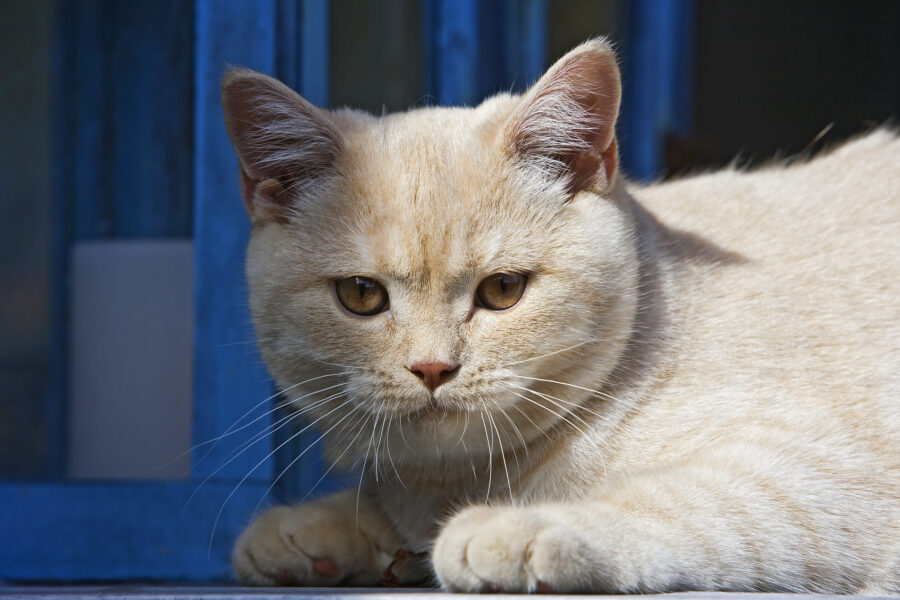
Domestic Shorthairs and breeds like the American Shorthair and Bengal fall into this category. Their coats have a mix of guard hairs and undercoat. Both provide good protection and effective temperature regulation.
Short-haired feline coats require relatively simple care but still need consistent grooming to keep them healthy. Brush these cats at least once a week to help remove loose hair and reduce shedding.
Flag it: More frequent brushing during seasonal changes (generally spring and fall) will further reduce shedding.
Medium-haired cats
Breeds like Turkish Van, some Maine Coons, and many Domestic Mediumhairs lie in between short- and long-haired cats. Their coats have more volume than short coats. However, they are generally less prone to matting than long coats.
Brush these cats at least two or three times a week, ideally every day. Pay special attention to the areas behind the ears, under the legs, and along the belly. Consistency is important: not grooming frequently enough can lead to tangles and mats.
Long-haired cats
These are “high maintenance” cats. Persians, Himalayans, and some Norwegian Forest Cats have long, dense coats that require dedicated care. Persians, in particular, have fine fur that mats easily and can trap debris close to the skin.
Brush these cats every day to prevent mats. Clean the eyes of Persians and other flat-faced breeds regularly, as they have a tendency to accumulate a crusty eye discharge.
Flag it: A long-haired cats may need occasional professional grooming. If you neglect his coat, you’ll need a professional groomer to remove painful mats.
Coat care is health care
When it comes to cat coat types and grooming care, maintenance is about more than appearance. Regular brushing reduces hairballs and improves circulation. It also helps you detect any lumps, bumps, parasites or skin irritations that require veterinary attention.
Your cat’s coat condition also indicates overall health. A dull, flaky or greasy coat may signal an underlying health condition.
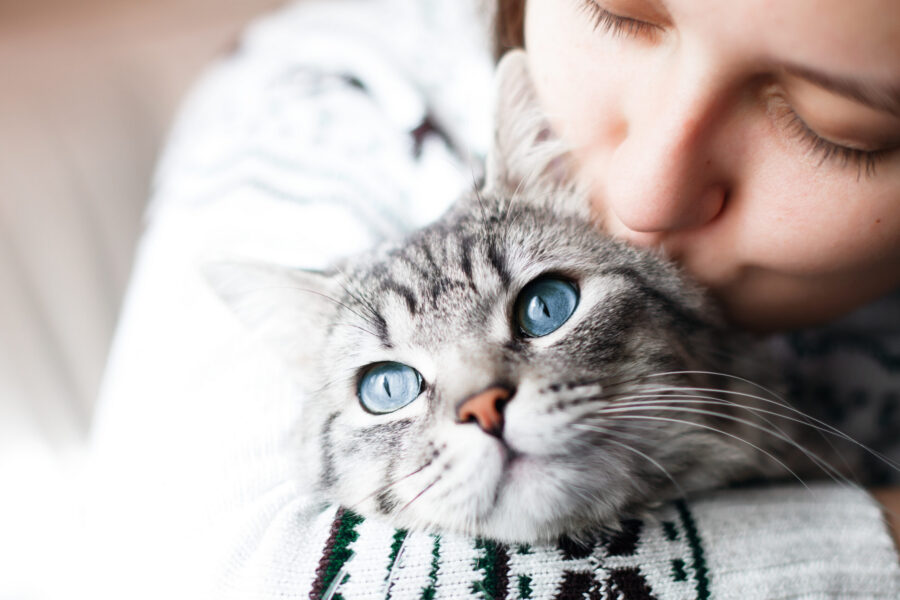
Finally, regular grooming is a wonderful way to enhance the bond between cat and human. With the right grooming tools, such as a soft-bristled brush that won’t scratch his skin, your cat may come to love and look forward to his grooming sessions.
Most cats rarely need baths
One of the most persistent cat care myths is that they need regular baths. In reality, healthy cats are “self-cleaning.” Their tongues have tiny, backward-facing barbs that act like little brushes. These barbs remove dirt and loose hair while distributing natural oils throughout the coat. Frequent bathing can strip these oils, causing dry skin, irritation, and a dull coat.
As mentioned in the article, hairless breeds are the exception, as they typically require regular baths to manage oil buildup on the skin.
- Cats generally only need a bath if they get into something sticky, greasy, or potentially toxic. Brushing alone cannot safely remove these substances.
- Senior or obese cats, or those with arthritis, may struggle to groom themselves effectively and benefit from occasional bathing or targeted spot cleaning.
- Medical problems such as skin conditions may require medicated shampoos, while exposure to allergens might also warrant bathing.
When your cat needs a bath, bathe him gently using lukewarm water and a cat-specific shampoo, then dry him thoroughly in a warm, draft-free environment. For most cats, however, regular brushing and spot cleaning are far less stressful than routine baths.
AUTHOR PROFILE

Ingrid King is a former veterinary hospital manager and author of five cat books, including Buckley’s Story: Lessons from a Feline Master Teacher, and Tortitude: The BIG Book of Cats With a BIG Attitude. Ingrid writes for magazines and websites around the world. She is the founder of Purrs of Wisdom with Ingrid King, where she writes about all things feline .For more information about Ingrid, please visit www.IngridKing.com.