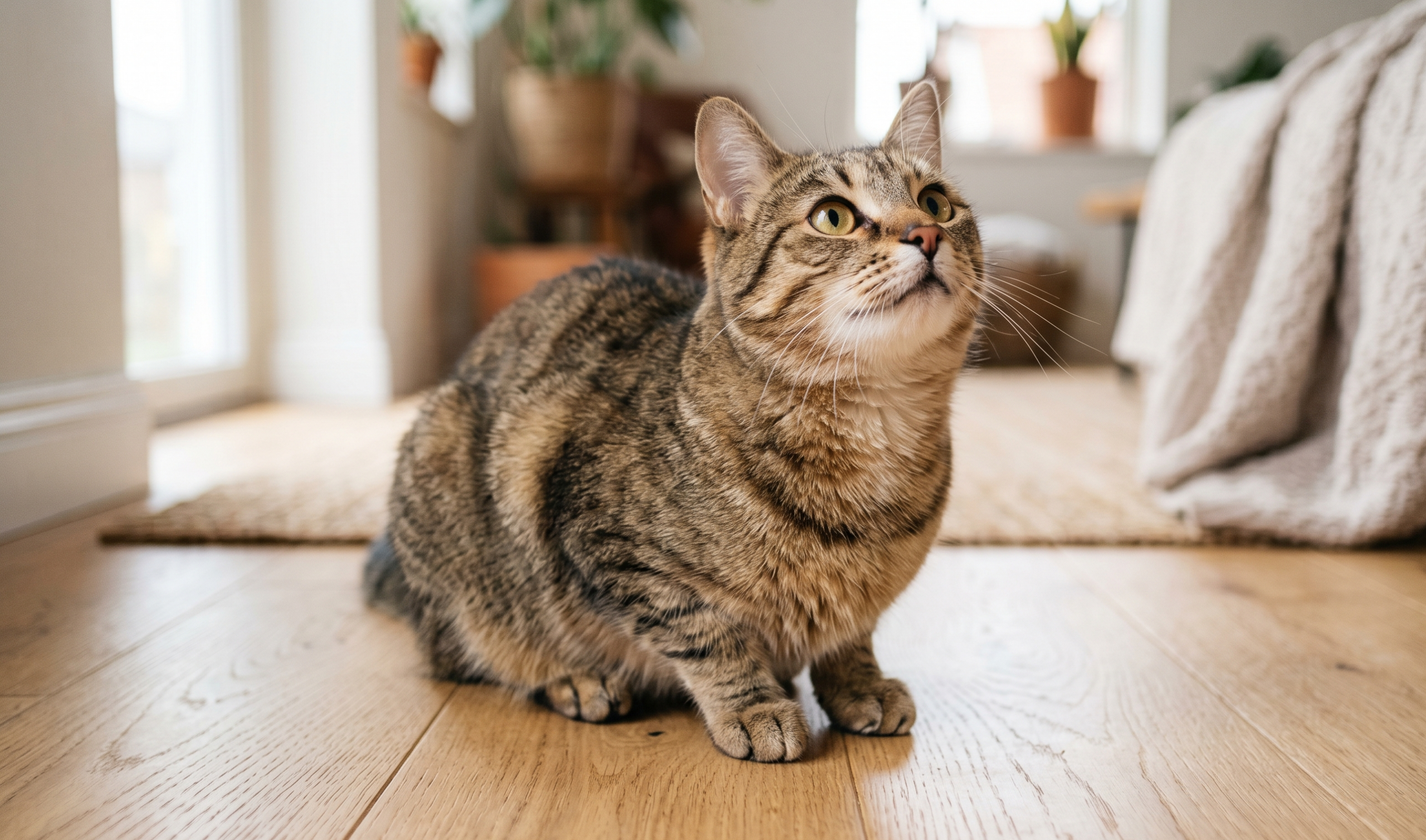
If your cat has been scratching more than usual, losing fur, or developing skin issues, allergies might be to blame. Just like humans, cats can develop allergic reactions to things in their everyday environment. Understanding common allergens can help you take better care of your feline companion and know when it’s time to visit your veterinarian.
Environmental Allergens
One of the most common allergy conditions in cats is called Feline Atopic Skin Syndrome (FASS). This condition is triggered by allergens found in the environment around your cat. Common environmental allergens include:
- Dust mites – tiny creatures that live in bedding, carpets, and furniture
- Mold spores – often found in damp areas of the home
- Pollen – from trees, grasses, and weeds that can drift indoors
- Dander from other animals – yes, cats can even be allergic to other pets!
Flea Allergies
Flea allergy dermatitis is one of the most common allergic skin conditions in cats. Even a single flea bite can trigger a strong reaction in a sensitive cat. Keeping up with regular flea prevention is one of the best things you can do for your cat’s comfort.
Food Allergens
Some cats develop allergies to ingredients in their food. The most common food allergens include:
When a cat eats something like beef, chicken, fish, or dairy, their immune system is supposed to recognize these as harmless. But in some cats, the immune system mistakenly identifies certain proteins as a threat. It then mounts a defense against them, similar to how your body might fight off a germ.
Food allergies can cause both skin issues and digestive problems, so they’re worth discussing with your vet if you notice ongoing symptoms.
Signs Your Cat May Have Allergies
Watch for these common signs:
- Excessive scratching, especially around the head and neck
- Hair loss or thinning fur
- Red, irritated, or crusty skin
- Small bumps or scabs along the back
- Frequent grooming or licking
A Word on Human Products
It’s also important to know that many human skincare and topical products — like lotions, creams, and medicated ointments — can be toxic to cats, even in small amounts. Always keep these products stored safely away from your cat’s reach.
What You Should Do
If you notice any of the signs listed above, the best step is to schedule a visit with your veterinarian. Allergies in cats are typically diagnosed by ruling out other conditions, and a professional can help identify the specific trigger and recommend the right care plan.
Your cat depends on you to be their voice — staying informed is one of the most loving things you can do!
AUTHOR PROFILE

Animal Wellness is North America's top natural health and lifestyle magazine for dogs and cats, with a readership of over one million every year. AW features articles by some of the most renowned experts in the pet industry, with topics ranging from diet and health related issues, to articles on training, fitness and emotional well being.