TL;DR
Senior dogs often face challenges with sleep and recovery due to aging joints, anxiety, and slower body systems. Solutions like herbal supplements (valerian root, chamomile, and turmeric), massage, good nutrition, and calming environments can naturally promote better rest and healing. Always check with your vet before starting any new health routine.
As dogs get older, their bodies undergo some significant changes. Like us humans, senior dogs often have trouble falling asleep, staying comfy through the night, or recovering after playtime. These issues can really impact their quality of life, but there are plenty of natural methods that can help support better sleep and recovery for our aging furry friends.
Why Senior Dogs Struggle with Sleep
Senior dogs, typically those seven years and older, face various challenges such as joint pain, cognitive changes, and hormonal shifts. For instance, arthritis can make lying down uncomfortable, while Canine Cognitive Dysfunction, sometimes referred to as “doggy dementia,” can throw off their usual sleep patterns, leading to restless nights. Figuring out what’s causing these sleep issues is the first step in finding appropriate solutions.
Creating a Calming Sleep Environment
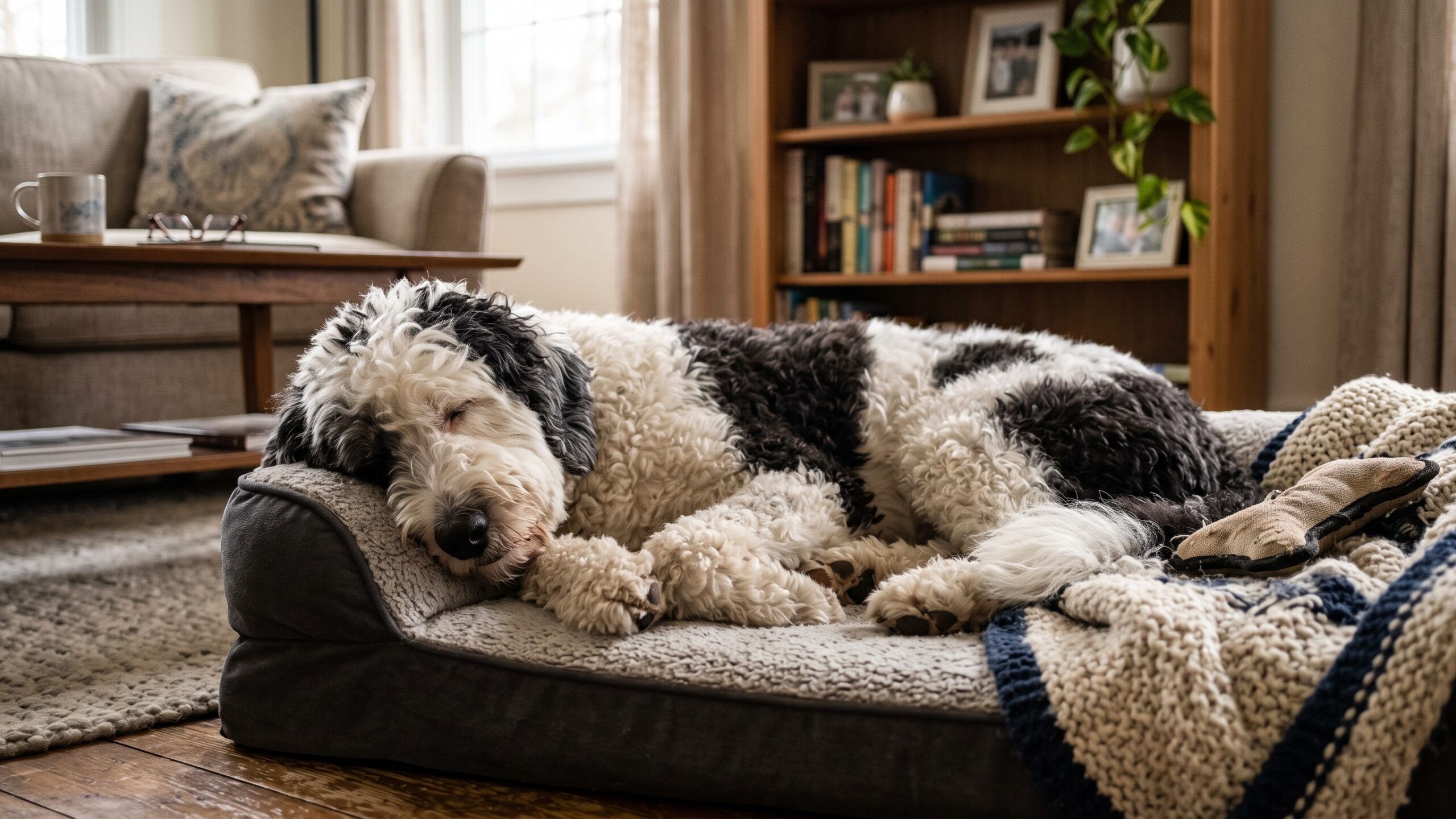
One of the easiest and most effective ways to help your dog sleep better is by enhancing their sleeping space. An orthopedic dog bed can really ease pressure on aging joints, making it easier for them to settle in comfortably. Keeping their sleep area warm, quiet, and free from disturbances signals to their nervous system that it’s time to relax.
Using lavender in the air might help, too. A gentle diffusion in the room (just not directly on your dog) can promote relaxation and reduce anxiety. Just make sure to check animal-safe dilutions and have a chat with your vet first.
Herbal and Natural Supplements
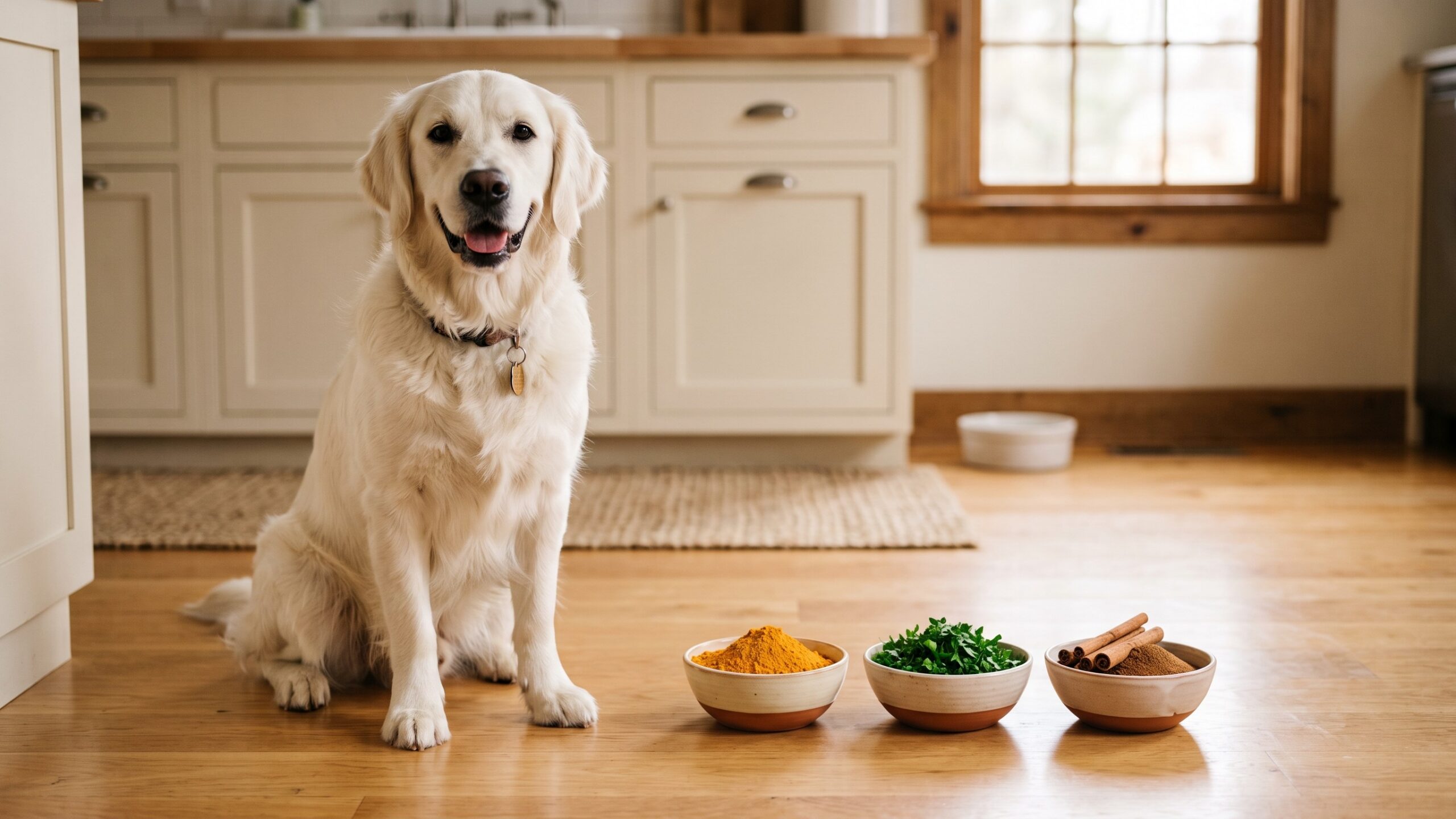
There are a few natural supplements that can aid in sleep and recovery for dogs. Valerian root and chamomile are popular herbs known for their calming properties. Melatonin, a hormone our bodies produce, can also help regulate sleep cycles, especially for dogs showing signs of cognitive decline.
When it comes to physical recovery, turmeric has curcumin, which has natural anti-inflammatory benefits that might help with joint stiffness. Omega-3 fatty acids found in fish oil are great for joint health and can help reduce inflammation.
The Role of Gentle Exercise and Massage
Light daily exercise, like leisurely walks, helps keep joints moving and boosts the body’s natural recovery. Gentle massage can enhance circulation, relieve muscle tension, and deepen the bond between you and your dog. Many vets and certified canine massage therapists can show you simple techniques that are safe to do at home.
Nutrition as a Foundation
What your senior dog eats has a huge impact on their sleep and recovery. Diets packed with antioxidants, lean proteins, and healthy fats aid cellular repair and minimize inflammation. Feeding smaller meals earlier in the evening can also help prevent any digestive discomfort that might interrupt their nighttime rest.
Caring for a senior dog takes patience, love, and a little extra knowledge. Combining a cozy sleep environment, natural supplements, gentle exercise, soothing massage, and a solid nutrition plan can make a real difference in your dog’s comfort and quality of life.
Frequently Asked Questions
1. Can I give my senior dog melatonin for sleep issues?
Melatonin is often used for dogs, but the right dosage varies based on size and health. Always talk to your vet before giving any supplements.
2. Is massage safe for all senior dogs?
Most senior dogs can benefit from gentle massage, but some may need special considerations based on their health. It’s a good idea to consult your vet or a certified canine massage therapist first.
3. Are essential oils safe to use around dogs?
Some essential oils can actually be toxic to dogs. Always do your research and check with your vet before using aromatherapy near your pup.
4. How do I know if my senior dog has a sleep disorder?
Look for signs like nighttime pacing, excessive barking, confusion, or changes in sleep patterns. If you notice these, schedule a visit with your vet for a proper evaluation.
AUTHOR PROFILE

Animal Wellness is North America's top natural health and lifestyle magazine for dogs and cats, with a readership of over one million every year. AW features articles by some of the most renowned experts in the pet industry, with topics ranging from diet and health related issues, to articles on training, fitness and emotional well being.