TL;DR
Acutonics is a sound-based therapy that uses tuning forks on acupuncture points to help support your cat’s health. It might assist with issues like pain, anxiety, digestion, breathing, nerve problems, recovery, and immune support. It’s best used alongside regular vet care, never as a substitute. Always consult your vet before trying any new treatments for your cat.
As cat parents, we naturally want the best for our furry companions. More and more of us are turning to complementary therapies to boost our cats’ well-being. One such therapy that’s gaining traction is Acutonics. It’s a gentle sound-driven approach rooted in Traditional Chinese Medicine (TCM).
What is Acutonics?
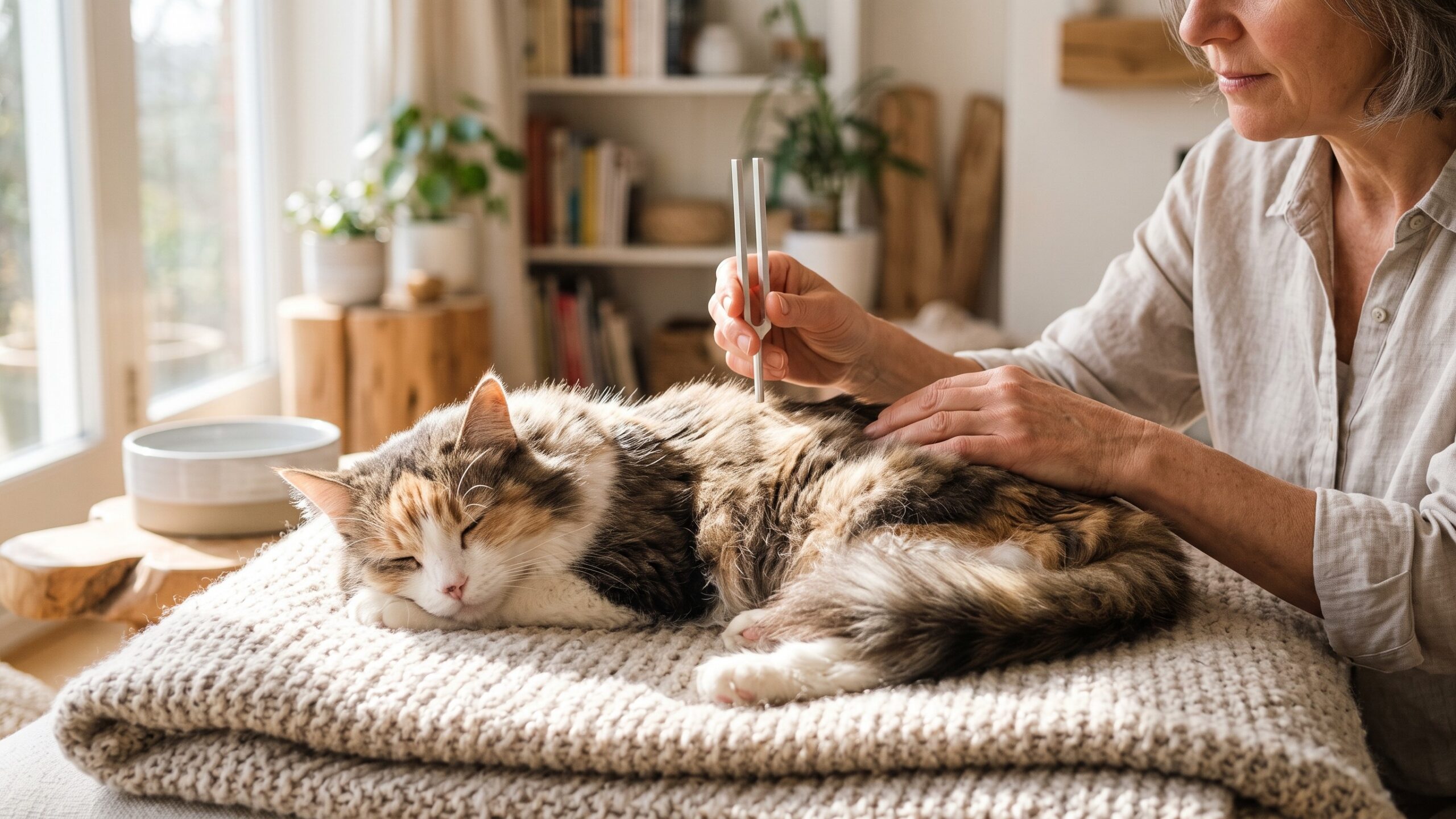
Acutonics is a type of alternative therapy that employs tuning forks to deliver sound vibrations to targeted areas on the body. It’s kind of like acupuncture, but instead of using needles, it relies on sound and vibration.
So, how does it work? The body has certain energy points, much like those found in acupuncture. When the tuning forks are struck, they’re either held close to or placed on these points. The sound vibrations are thought to help bring balance back and encourage healing within the body.
Here are six conditions in cats that may benefit from Acutonics.
1. Chronic Pain (Like Arthritis or Joint Issues)
Is your cat looking a bit stiff when they get up, or are they less keen on jumping around? Chronic pain from arthritis can really take a toll on their quality of life. Acutonics practitioners use tuning forks on specific body points to help promote relaxation and relieve discomfort. While it’s not a cure-all, it can be a gentle, non-invasive way to assist with pain management alongside your vet’s treatment plan.
2. Anxiety and Stress
Cats can be pretty sensitive. Loud noises, changes at home, or trips to the vet can really stress them out. Acutonics is thought to help calm their nervous system with soothing sound vibrations. Some practitioners believe this can help anxious kitties feel more relaxed—kind of like a soothing sound bath just for them!
3. Digestive Problems
Tummy troubles are no fun for anyone—especially for your cat! Problems like nausea, upset stomach, or irregular digestion may be areas where Acutonics practitioners can lend a hand by targeting specific acupuncture points linked to digestive health.
But remember, if your cat has digestive issues, a vet visit should always come first.
4. Respiratory Issues
If your cat is struggling to breathe, they might benefit from Acutonics as a complementary support. Practitioners believe that focusing on certain energy points can help improve respiratory function. This is especially crucial when paired with conventional veterinary care since breathing issues can be serious.
5. Neurological Conditions
Some cats face neurological challenges that impact their movement or behavior. Acutonics might help support nerve health and enhance brain-body communication.
While research is still in its early days, vets can include this therapy in broader care plans for cats with neurological concerns.
6. Post-Surgery Recovery and Immune Support
Recovering from surgery or illness can be rough on cats. Acutonics may help speed up the healing process and gently boost their immune system. Many cat parents want ways to help their pets recover faster, and some choose to add therapies like Acutonics to their recovery toolkit—always under their vet’s guidance.
Exploring complementary therapies like Acutonics can be a wonderful way to support your cat’s overall well-being. Whether your cat is dealing with chronic pain, anxiety, digestive issues, or recovering from surgery, there are gentle options worth learning about.
Frequently Asked Questions
Q1: Is Acutonics safe for cats?
Generally, Acutonics is considered a gentle, non-invasive therapy. But every cat is unique, so it’s vital to talk to your veterinarian before starting any new treatment to ensure it’s right for your cat.
Q2: Can Acutonics replace my cat’s regular vet care?
Nope! Acutonics is a complementary therapy, meant to work alongside traditional veterinary care—never as a replacement. Your vet should always be your go-to for any health concerns.
Q3: Is there scientific proof that Acutonics works for cats?
Currently, there isn’t a lot of scientific research on Acutonics for cats. More studies are needed to draw solid conclusions. It’s important to have realistic expectations and maintain an open dialogue with your vet.
Q4: How do I find a qualified Acutonics practitioner for my cat?
Look for a certified veterinary acupuncturist or a holistic vet trained in Acutonics or TCM-based therapies. Your regular vet might also have recommendations. Just make sure the practitioner has experience specifically with cats.
AUTHOR PROFILE

Animal Wellness is North America's top natural health and lifestyle magazine for dogs and cats, with a readership of over one million every year. AW features articles by some of the most renowned experts in the pet industry, with topics ranging from diet and health related issues, to articles on training, fitness and emotional well being.