TL;DR
Trigger point therapy can ease muscle tension and discomfort in cats. You can boost your cat’s mobility and comfort by gently finding and massaging tight muscle knots, Always check with your vet before starting any home therapy.
If you’ve ever felt a tight knot in your muscles, you know the struggle. Well, cats deal with similar issues. Trigger points are those small, tight spots in their muscle tissue that can lead to pain, stiffness, and restricted movement. These knots happen when muscle fibers get too tight and don’t relax as they should.
Cats are experts at hiding their discomfort, so you might not notice these trigger points for a while. Keep an eye out for subtle signs like your cat obsessively grooming a certain spot, moving slower than usual, or shying away from jumping onto their favorite furniture.
What Causes Muscle Knots in Cats?
Several factors can lead to these pesky knots, such as:
– Injuries or trauma from a fall or accident
– Overworking certain muscles during play or exercise
– Arthritis or joint issues that make nearby muscles compensate
– Poor posture from lounging in awkward positions
– Stress or anxiety, which can create chronic muscle tension
Older cats and those that are particularly active often experience these muscle knots more frequently.
How to Locate Trigger Points in Your Cat
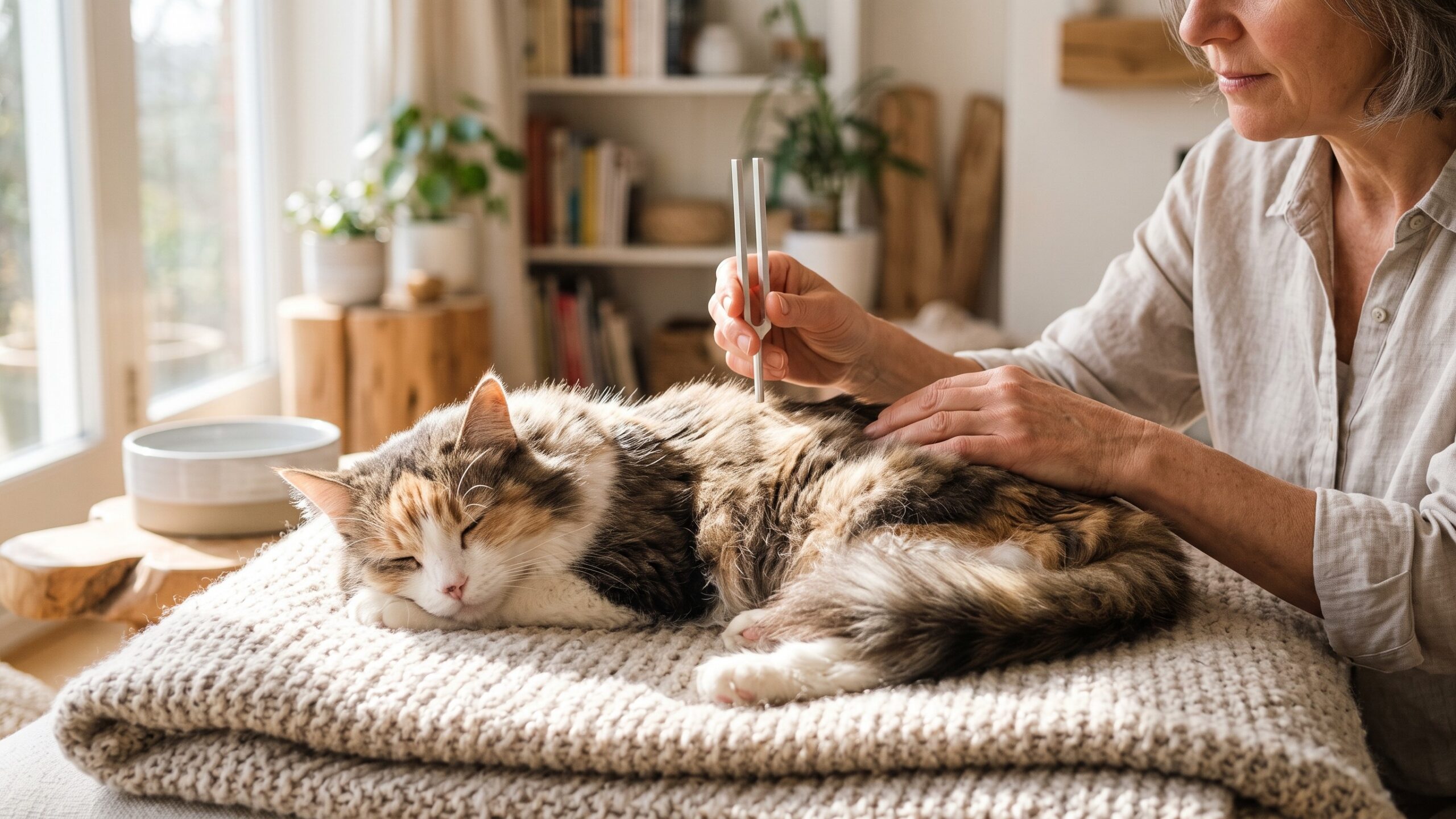
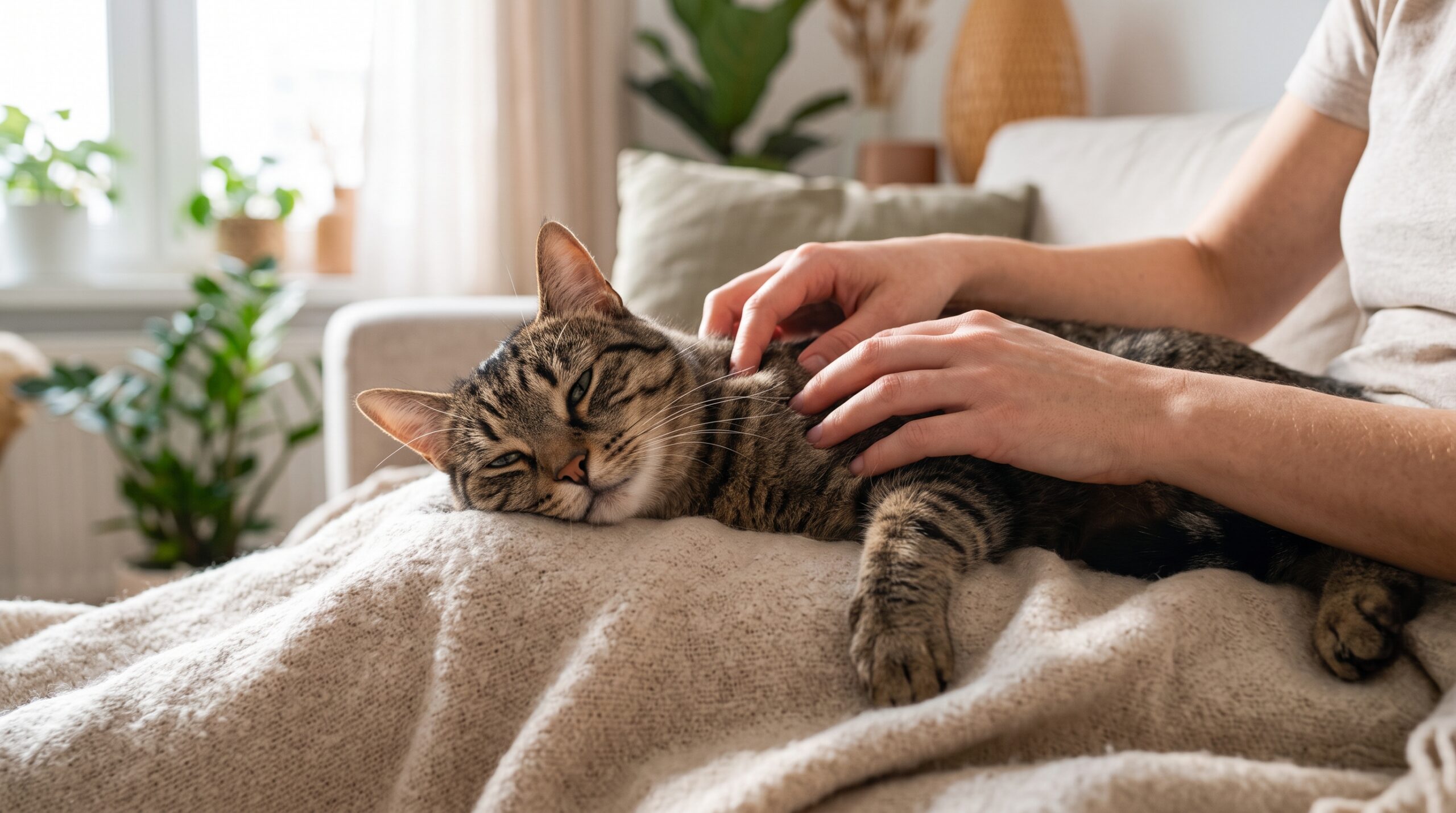
Before diving in, make sure your cat is calm and relaxed. A quiet moment, like after a meal or nap, works best. Gently run your fingers along your cat’s back, shoulders, neck, and hindquarters using light, slow pressure.
You might feel:
– Small, firm bumps or lumps under the skin
– Areas that feel tighter compared to the surrounding tissue
– Spots that make your cat flinch, twitch, or look back at you
Pay attention to your cat’s body language. If they seem uncomfortable or try to move away, it’s best to stop and give them a breather.
How Trigger Point Therapy Works
Once you find a potential trigger point, apply gentle pressure with one or two fingertips. Hold that pressure for a few seconds and then slowly release. This helps the muscle fibers relax and improves blood flow to the area.
You can repeat this a few times per session, but keep it short, around five to ten minutes, to avoid overstimulating your cat. Always go slow and watch how your cat reacts.
Remember, trigger point therapy isn’t a substitute for veterinary care. It works best as a complement to treatments your vet recommends.
The Benefits of Trigger Point Therapy for Cats
When done right, trigger point therapy may help:
– Reduce muscle tension and stiffness
– Improve range of motion
– Aid recovery after injury or surgery
– Promote relaxation and lower stress
– Strengthen your bond with your cat
Learning to spot and address muscle tension helps you notice when something’s off. Trigger point therapy, a non-invasive approach, can address discomfort and support your cat’s overall well-being.
Frequently Asked Questions
Is trigger point therapy safe to do at home?
It can be safe when done gently, but definitely consult your vet first to ensure it’s right for your cat’s specific needs.
How do I know if my cat is in pain during a session?
Look for signs like hissing, growling, flattened ears, tail flicking, or attempts to escape. If you see any of these, stop immediately and reach out to your vet.
Can trigger point therapy replace veterinary treatment?
Nope! Trigger point therapy is a complementary tool, not a replacement for professional care. Always have your cat evaluated by a vet before starting any home therapy.
How often should I perform trigger point therapy on my cat?
It really depends on your cat’s individual needs. Your vet or a certified rehabilitation therapist can provide personalized advice on how often to do the sessions.
AUTHOR PROFILE

Animal Wellness is North America's top natural health and lifestyle magazine for dogs and cats, with a readership of over one million every year. AW features articles by some of the most renowned experts in the pet industry, with topics ranging from diet and health related issues, to articles on training, fitness and emotional well being.