TL;DR
Canine asthma is a long-term respiratory issue, but it can be managed with both traditional medicine and integrative strategies. While medications are crucial, factors like environmental adjustments, diet, and stress relief can significantly enhance your dog’s well-being. Always collaborate with your vet to create the best care plan for your furry friend.
Asthma in dogs leads to inflammation and narrowing of the airways, making it tough for them to breathe. It’s often linked to allergic bronchitis, where environmental allergens cause an exaggerated immune response. This can result in symptoms like coughing, wheezing, and difficulty breathing.
Signs to look out for include:
– Ongoing coughing or wheezing
– Rapid or strained breathing
– Low energy or trouble exercising
– Breathing with an open mouth
If you notice any of these symptoms, it’s crucial to get in touch with your vet without delay.
Conventional Treatment as the Foundation
Before diving into alternative methods, it’s essential to recognize that traditional veterinary care is the cornerstone of managing asthma. Vets typically prescribe inhaled or oral medications to decrease airway inflammation and help improve airflow. Sometimes, specially designed inhalers for dogs can effectively manage chronic coughing and airway issues.
Remember, never change or stop your dog’s medications without consulting your vet first.
Integrative Approaches to Support Respiratory Health
Integrative medicine merges conventional treatments with additional supportive methods. Here are some strategies that could enhance your dog’s current care:
1. Environmental Management
Minimizing exposure to airborne irritants can be very effective. This involves:
– Using air purifiers with HEPA filters at home
– Steering clear of cigarette smoke, candles, and strong cleaning agents
– Regularly washing bedding to cut down on dust mites
– Keeping windows shut during high pollen seasons
2. Dietary Support
A balanced, anti-inflammatory diet can boost overall immune function. Omega-3 fatty acids, which you can find in fish oil, are known for their anti-inflammatory benefits. Always consult your vet before introducing any supplements into your dog’s diet.
3. Acupuncture
Veterinary acupuncture is becoming more popular in integrative medicine. Some vets believe it can help enhance respiratory health and reduce stress in dogs with chronic conditions. Ensure that a certified veterinary acupuncturist handles this treatment.
4. Stress Reduction
Stress can really aggravate respiratory issues. Creating a calm, comfortable home environment, sticking to a routine, and providing mental stimulation can all contribute to your dog’s overall well-being.
5. Weight Management
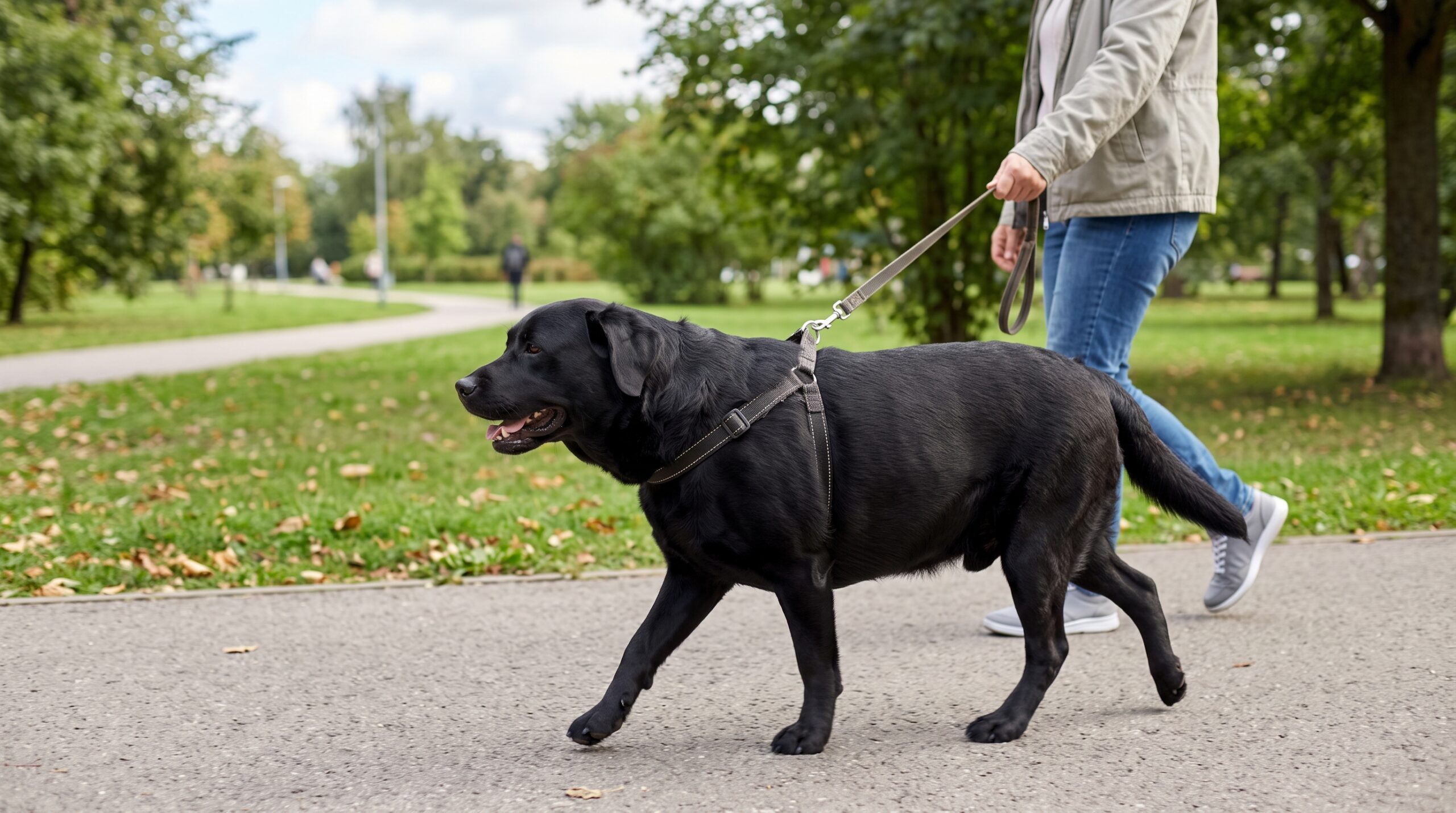
Extra weight can put extra strain on the lungs, making it harder for your dog to breathe. Keeping your pup at a healthy weight through a proper diet and gentle, regular exercise can truly make a difference.
Managing asthma in dogs is most effective when you look at the whole animal, not just the symptoms. By integrating traditional medicine with supportive strategies, many dogs can lead happy, comfortable lives. Keeping the lines of communication open with your vet is essential. Share any integrative therapies you’re considering so your veterinary team can support you safely.
Frequently Asked Questions
Can canine asthma be cured?
There’s currently no cure for asthma in dogs, but with the right treatment and management plan, most can enjoy a good quality of life. Work closely with your vet for the best long-term strategy.
Are essential oils safe for dogs with asthma?
Many essential oils can actually harm dogs and worsen respiratory issues. It’s best to avoid using them around dogs with asthma until you’ve consulted your vet.
Is canine asthma the same as chronic bronchitis?
They’re related but not the same. Chronic bronchitis involves persistent airway inflammation and a constant cough, while asthma typically features episodes of airway constriction triggered by allergens. Your vet can help differentiate between the two through a thorough evaluation.
When should I take my dog to the emergency vet for breathing issues?
If your dog is breathing rapidly with an open mouth, has bluish gums, is extending their neck to breathe, or seems weak or collapses, seek emergency veterinary care immediately. These are signs of serious respiratory distress.
AUTHOR PROFILE

Animal Wellness is North America's top natural health and lifestyle magazine for dogs and cats, with a readership of over one million every year. AW features articles by some of the most renowned experts in the pet industry, with topics ranging from diet and health related issues, to articles on training, fitness and emotional well being.