Leonardo DiCaprio remembered Jane Goodall in these words: “She reminded us to begin with compassion.”
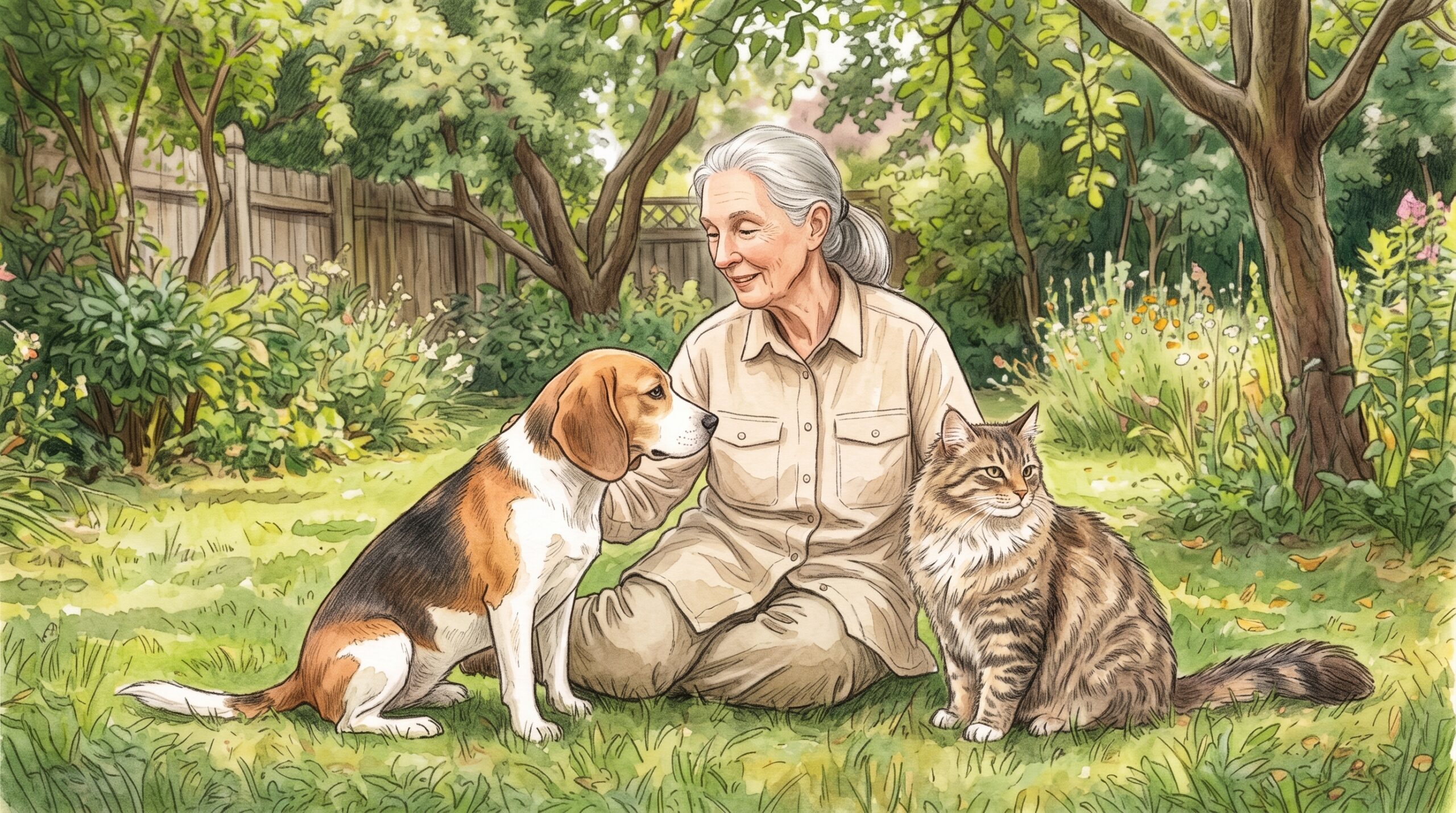
Jane Goodall didn’t just observe chimpanzees; she truly listened to them. She took the time to notice their habits, their idiosyncrasies, and what made them unique. She treated them as individuals deserving of respect and understanding. So, what if you brought that same vibe into your living room?
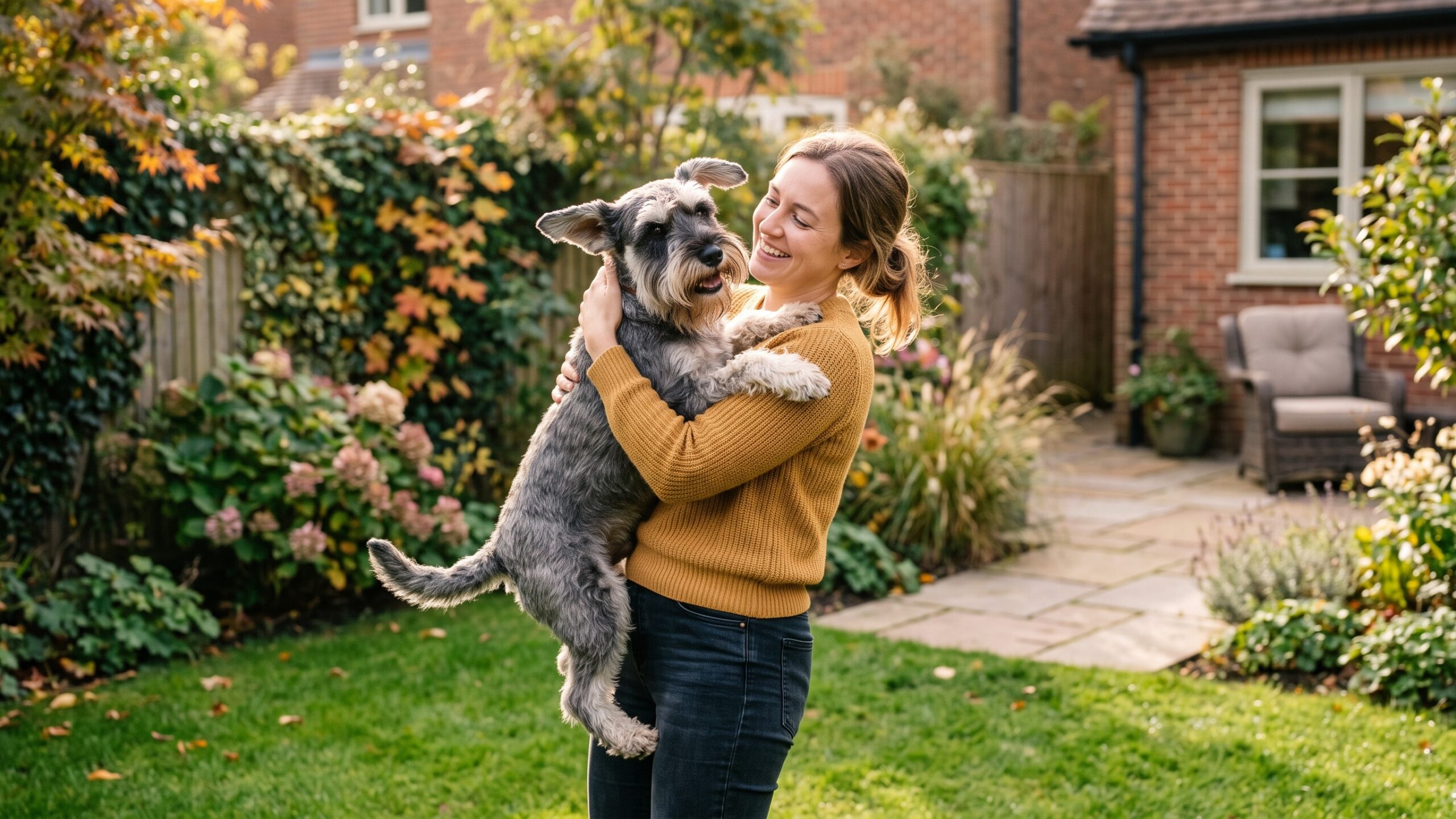
If you share your space with a dog, a cat, or maybe both, you have an amazing chance to better understand your furry companions by diving deep into animal behavior.
Observe First, React Second
The first rule of observing animals? Slow down. Before you jump in to correct a behavior or react to what your pet is doing, just watch for a bit. Ask yourself some questions:
– What’s my dog or cat trying to tell me?
– What happened right before this behavior?
– Does this occur at a specific time of day?
Cats and dogs are always communicating through their body language. A tucked tail, flattened ears, slow blinking, or raised hackles can reveal a lot about their emotional and physical states.
Keep a Behavior Journal
Jane Goodall was known for her meticulous field notes, and you can do the same! Grab a simple notebook or use your phone to jot down:
– Eating and drinking habits (how much and how often)
– Energy levels throughout the day
– Any unusual behaviors, like excessive scratching, hiding, or changes in bathroom habits
– Social interactions with people and other pets
This habit is super helpful when you visit the vet. Instead of just saying “something seems off,” you could say, “my cat’s been drinking way more water than usual for the last five days.” Those specifics can really help your vet make quicker, better decisions.
Learn Their Individual Language
No two dogs or cats are alike. Just as Jane identified individual chimps by their personalities and behaviors, you should get to know your dog or cat’s unique quirks. What does happiness look like for them? How do they show stress?
When you understand their baseline, you’ll pick up on changes much quicker, and catching health issues early can make a huge difference.
Respect Their Natural Instincts
Dogs need to sniff, and cats need to scratch and climb. These aren’t bad habits; they’re instinctual needs. Honoring those instincts leads to happier, healthier pets and strengthens your bond.
Partner With Your Veterinarian
Even the best observer needs a scientific partner. Regularly share your observations with your vet. They can help decode what you’re seeing and rule out any medical reasons behind behavioral changes.
All you need is compassion, curiosity, patience, and respect, the same tools that made Jane Goodall a legend.
AUTHOR PROFILE

Animal Wellness is North America's top natural health and lifestyle magazine for dogs and cats, with a readership of over one million every year. AW features articles by some of the most renowned experts in the pet industry, with topics ranging from diet and health related issues, to articles on training, fitness and emotional well being.